
How the shop is run
How we choose cards and keep guidance current
GPU stock and prices in Korea move quickly. This page sets out the working method behind the catalog: what earns coverage, how availability is checked, and what we refuse to claim.
Ask about current availabilityWhat this page is for
A listing that is wrong a month after launch is worse than no listing. So we keep the catalog tight, describe what is typically stocked, and route week-to-week stock questions to a real answer instead of a number frozen on a page.
What earns a place on the site
We cover current RTX 50-series cards and the AIB boards built around them, focusing on the tiers Korean buyers actually shop through — the RTX 5090 flagship and the RTX 5070 Ti upper-midrange tier. The list is deliberately short.
Real partner product
A board has to exist as a named partner card with its own cooling design — not a reference render, not a rumor about a model that may never reach Korean retail. If it ships, we can describe it honestly.
A place in a real build
We ask which tier of build the card is for: a 4K gaming machine, a 1440p build, a workstation that also plays. If a card has no clear home in that picture, it does not get a page.
Reachable in Korea
Coverage follows cards that Korean buyers can actually find at retail or through import channels with a defined path. A card that exists only in a press release stays out of the catalog.
We don't list everything a manufacturer makes. We list what's relevant and reachable for a Korean build, and we say so when a card sits just outside that line.
Why we favor concrete differences
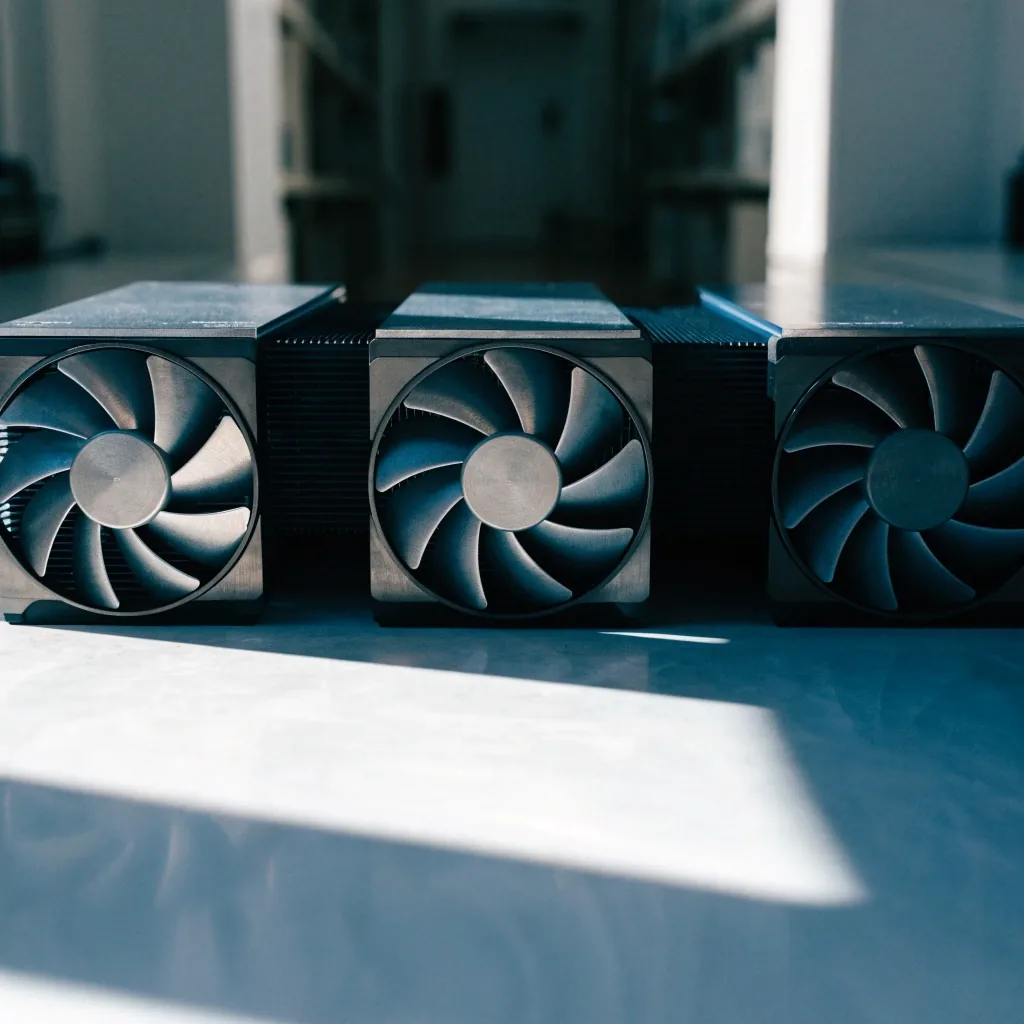
Two boards carrying the same GPU differ in cooling, factory overclock, and physical size — not in the chip. Those are the differences that decide whether a card runs quiet in your case, or does not fit at all.
That's why the flagship comparison on this site talks about air versus liquid cooling, card length against case clearance, and connector position — rather than ranking one card as simply better. If the honest answer is that two boards are close and the choice comes down to fit, we say that.

Cooling
Air, liquid, hybrid
Factory clock
Board partner tuning
Size
Length and slot width
How availability gets checked
We don't post firm prices on pages that can't stay accurate. Instead we describe what is typically stocked and answer stock questions for the current week, because a flagship card can be listed in three places in Seoul and sold out in two of them by the same afternoon.
Pages carry
Tier, not price
Each card page explains which build the card suits and what differs between partner boards. It doesn't pretend to know today's retail number.
Stock questions
Answered by week
Ask through the contact form with the card and city you're buying in, and we reply for the current week rather than leaving a stale listing up.
Fastest movers
Flagships first
The RTX 5090 tier turns over quickest, so its availability is the least stable thing on the site. Asking directly gets a truer answer than any static listing.
Why pricing behaves the way it does
Korean GPU prices track stock, and stock is affected by supply conditions beyond any single shop. GDDR7 availability has been linked to broader memory-manufacturing pressure from AI demand, and Samsung Electronics is one of the major domestic memory players in that chain. When memory tightens, retail pricing across the market feels it — flagship cards first, mainstream tiers later.
That is the honest way to read a price that moved twice this month. It isn't a shop setting a mood; it's the memory side of the supply chain moving under everyone at once. Our job is to explain the market rather than pretend prices are fixed, and to tell you which tier still makes sense for your monitor if a flagship has drifted out of budget.
How content stays current
We revisit pages when a product family changes or when a listing would mislead. If a board is revised, or a tier's position shifts because pricing moved under it, the guidance updates with it — not on a fixed calendar, and not because a month rolled over.
We're honest about what we can't keep current in real time. That is why availability lives behind a question rather than a stale number, and why a page date alone never tells you whether the advice inside it still holds. Content freshness here means accuracy, not a new date stamp.

What we won't claim
This part matters as much as the rest of the method, so it is written plainly.
- No invented performance figures, review scores, or customer counts.
- No claim that a card is the fastest or the best in absolute terms.
- No promise that a specific price will hold past the week you ask.
What we will do is tell you which tier fits your monitor, whether a board physically suits your case, and where a card's connector layout forces a change to your build. When we don't know something, we'll say that instead of filling the gap.
Bringing it together for your build
Selection is only useful if it ends in a decision. Once we know your monitor, power supply, and case, the relevant cards narrow fast, and the differences between them become the real choice.
What we ask before recommending a card
Monitor
Resolution and refresh rate
Power supply
Wattage and connectors
Case
Clearance and airflow
Budget band
Flagship or upper-midrange
With those four answers we can tell you which tier is worth the money for your screen, which partner boards physically fit, and which trade-offs you are actually choosing between. That's the point of keeping the catalog tight and the guidance honest — you get an answer about your build, not a generic ranking.
Tell us your setup
Send the monitor, power supply, and case you are building around, and we'll apply this method to your machine — including a straight answer on availability for the week you're buying. Reach us Monday to Saturday, 10:00 to 20:00, at +82-2-780-5567 or through the contact page.